Permits & practical
Best Time to Visit Sikkim: A Month-by-Month Guide
When to visit Sikkim for snow, flowers, clear Kanchenjunga views or fewer crowds: a month-by-month guide to weather, roads and festivals.
By Sikkim Tour & Travel Team, SiliguriUpdated 5 min read
Quick answer
- Best overall: March–May (spring flowers, pleasant days) and October–mid-December (clearest mountain views).
- For snow: late December–February at Tsomgo Lake, Nathula, Zuluk and Lachung – but roads close more often.
- Avoid if you can: July–August, the peak of the monsoon, when landslides are most frequent.
There's no single "best" month for Sikkim – it depends on what you want to see. Spring brings rhododendrons, autumn brings crystal-clear views of Kanchenjunga, winter brings snow, and the monsoon turns every valley green (with the risk of landslides). Here's how the year plays out.
Sikkim's seasons at a glance
| Season | Months | What it's like | Best for |
|---|---|---|---|
| Spring | March–May | Mild days, cool nights, flowers in bloom; haze on some days | Rhododendrons, Yumthang, families |
| Monsoon | June–September | Heavy rain, lush valleys, frequent landslides | Budget travel, green scenery (with flexibility) |
| Autumn | October–November | Clear skies, crisp air, peak mountain views | Photography, Kanchenjunga, North Sikkim |
| Winter | December–February | Cold; snow at high altitude; some road closures | Snow at Tsomgo, Nathula, Zuluk |
Temperatures vary hugely with altitude. Gangtok (about 1,650 m) can be mild while Tsomgo Lake or Lachung is near or below freezing on the same day. Always pack layers.
Month by month
January and February
The coldest months. Tsomgo Lake is usually frozen and Nathula, Zuluk and Lachung often have snow. Heavy snowfall can close the roads to Nathula and North Sikkim for days at a time, so build flexibility into your plan. Gangtok, Pelling and Darjeeling are cold but clear. Losar, the Tibetan New Year, usually falls in February or early March.
March
Spring begins. Snow lingers up high while lower valleys warm up. Early rhododendrons appear around Barsey and lower forests. A good shoulder month with fewer crowds.
April and May
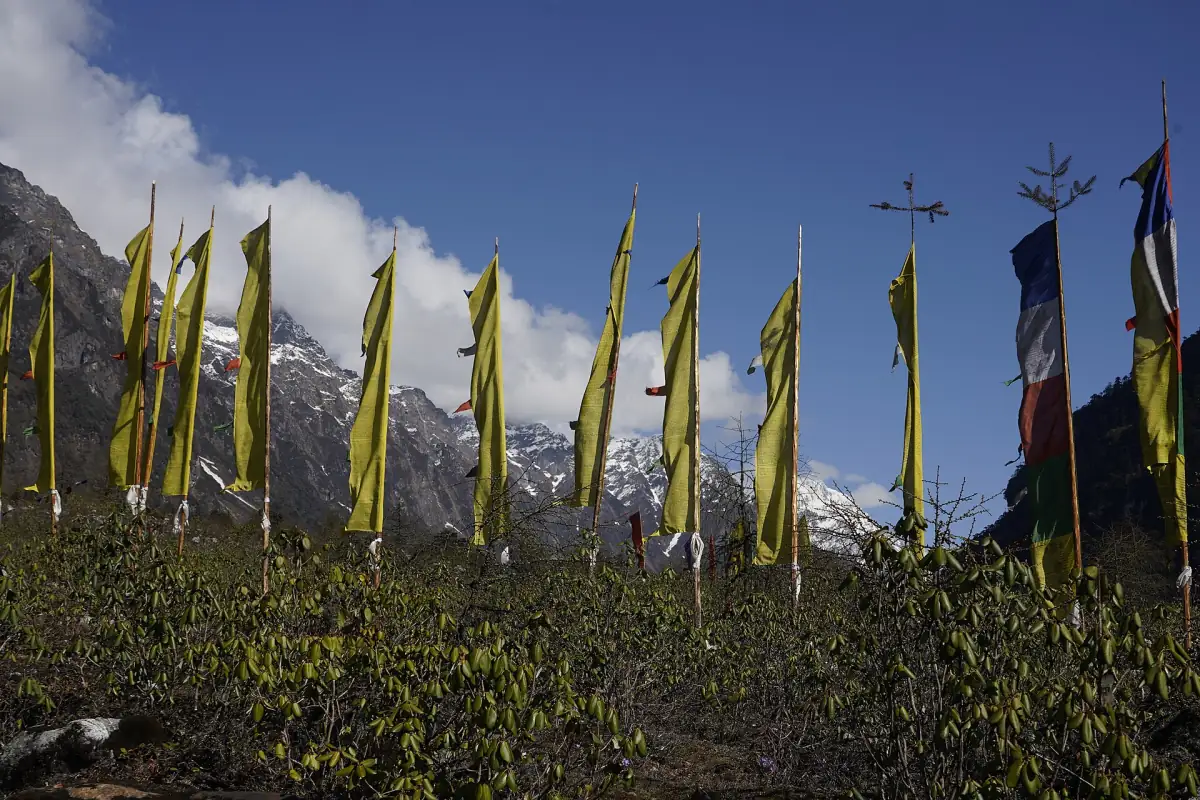
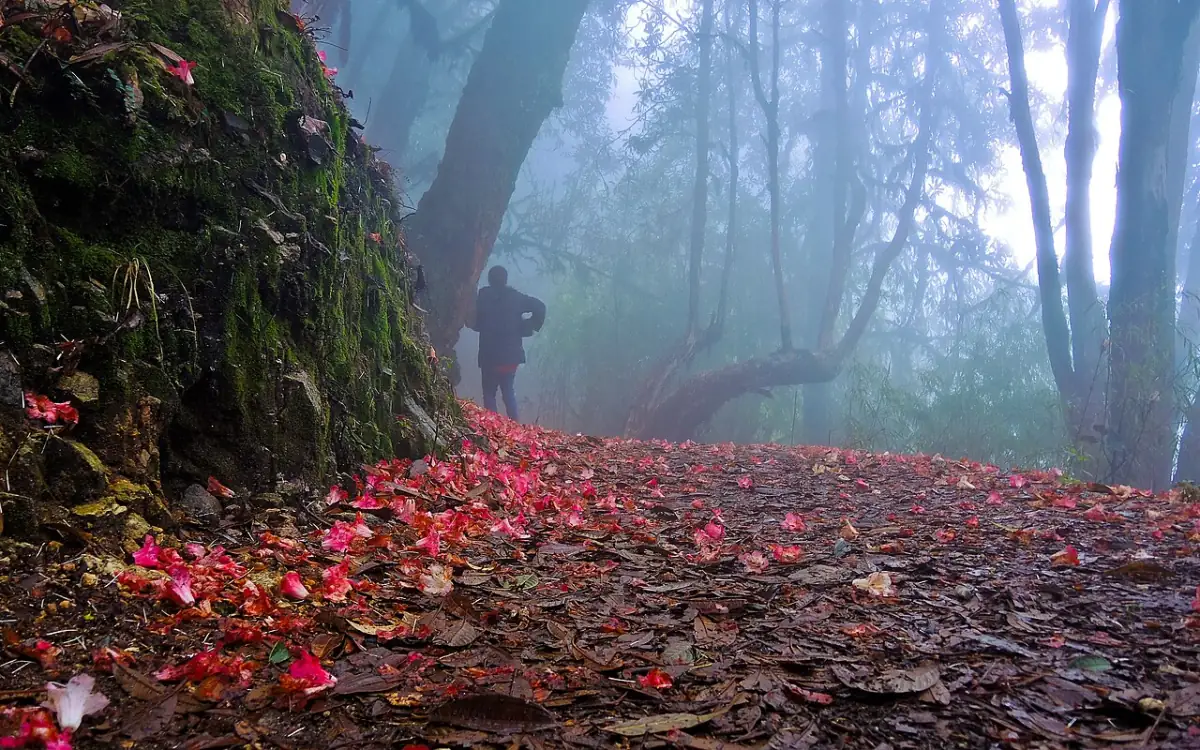
Peak spring and one of the busiest periods. Rhododendrons bloom across West and North Sikkim – Yumthang Valley is at its most colourful from about late April. Days are pleasant, though afternoon haze can hide distant peaks. Book hotels and cars early, especially around school holidays in May.
June
Early monsoon. Rain becomes more frequent and landslide risk rises, particularly on NH10 and the North Sikkim road. Flowers are still out at higher altitudes. Travel is possible, but keep a buffer day. Saga Dawa, an important Buddhist festival, usually falls around May or June.
July and August
The heart of the monsoon. Waterfalls are spectacular and hotels are quieter and cheaper, but landslides and road closures are common, and access to North Sikkim can be suspended. If you travel now, stay flexible and keep your plan to the main towns. Pang Lhabsol, honouring Kanchenjunga as Sikkim's guardian deity, falls in August or September.
September
The monsoon tails off during the month. Late September often brings the first clear mornings. A good time for lower prices just before peak season.
October and November
For many people, the best time of year. The air is washed clean by the monsoon, skies are clear and Kanchenjunga is visible from Gangtok, Pelling and Darjeeling on most mornings. North Sikkim is usually accessible, though nights get cold. Festivals like Dasain (Durga Puja) and Tihar (Diwali) bring big crowds of domestic travellers, so book early.
December
Cold, clear and quieter until the Christmas and New Year rush. Snow becomes likely at Tsomgo, Nathula and Zuluk late in the month. Losoong, the Sikkimese harvest festival, is celebrated around December.
Best time for each experience
| What you want | Best months |
|---|---|
| Clear views of Kanchenjunga | October–December |
| Snow at Tsomgo Lake and Nathula | Late December–March |
| Rhododendrons in Yumthang or Barsey | April–May |
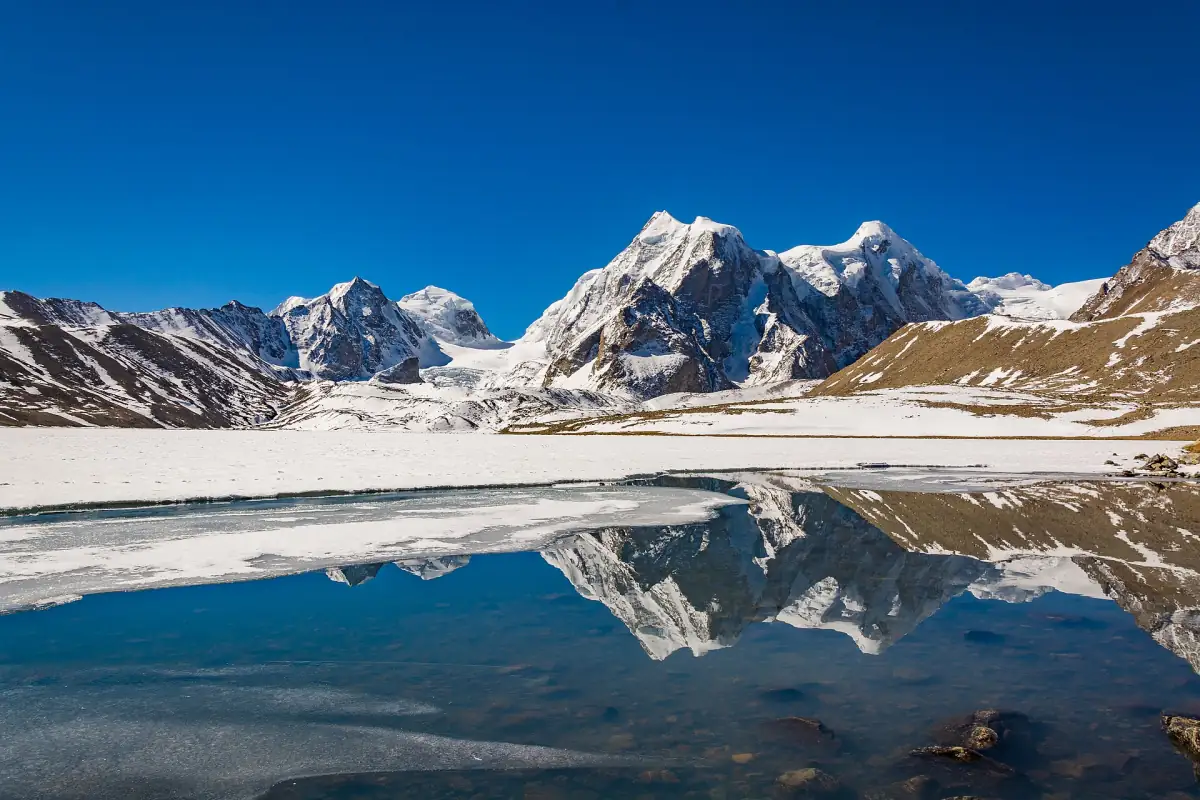
| Gurudongmar Lake (accessible, not frozen solid) | April–June, October–November |
| Fewer crowds and lower prices | March, September, early December |
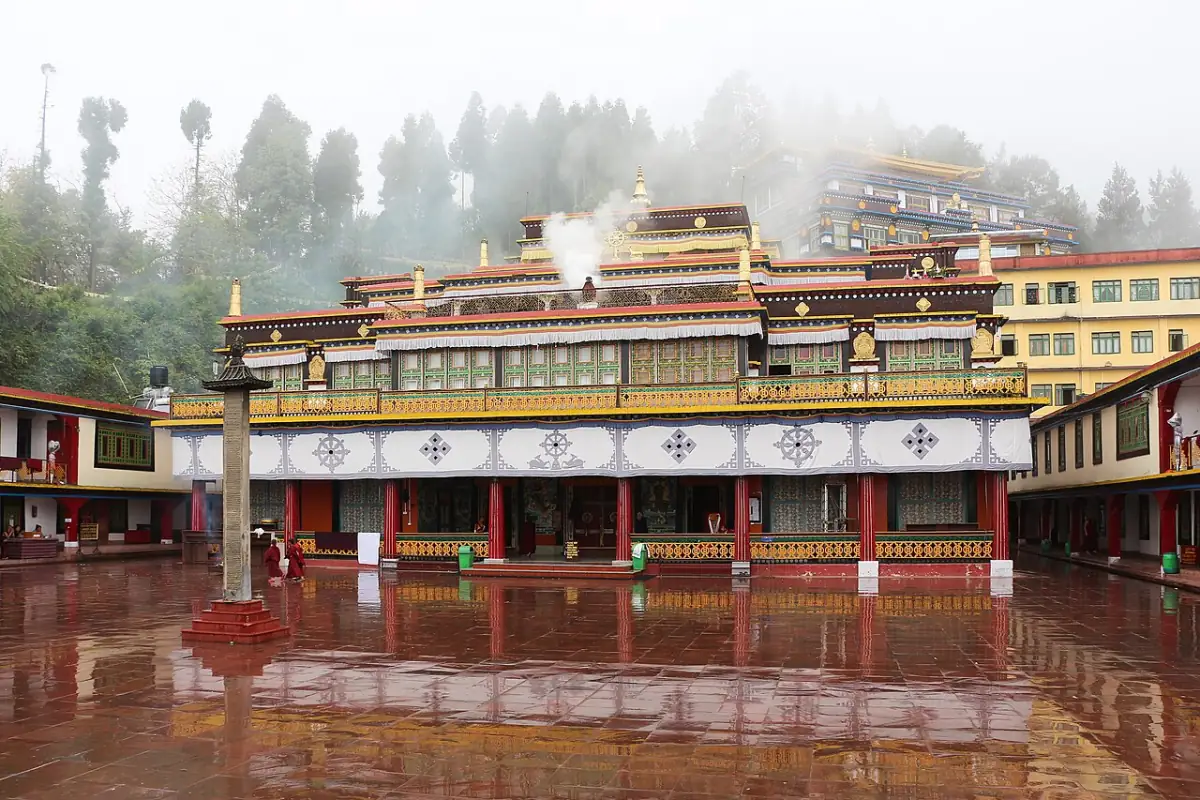
| Monasteries and festivals | February–March (Losar), May–June (Saga Dawa), August–September (Pang Lhabsol) |
Monsoon travel: is it worth it?
It can be, if you're flexible. You'll see waterfalls at full flow, emerald valleys and quiet monasteries, and hotels often offer better rates. The trade-off is uncertainty: rain can close roads for hours or days, mountain views are often hidden in cloud, and some excursions (Nathula, North Sikkim, national parks in the Dooars) may be suspended. Keep the itinerary simple, avoid tight connections, and ask us about the current road status before you travel.
Packing by season
- Spring and autumn: light layers, a fleece, a light down or padded jacket for high-altitude days, sunscreen and sunglasses.
- Winter: thermals, a heavy jacket, gloves, a woollen cap and waterproof shoes with good grip.
- Monsoon: rain jacket, quick-dry clothing, leech socks if you plan to walk in forests, and a waterproof bag cover.
For a complete checklist, see our first-timer's tips for Sikkim.
How temperature changes with altitude
| Place | Approx. altitude | What to expect |
|---|---|---|
| Siliguri / NJP | ≈ 120 m | Hot and humid in summer, mild in winter |
| Gangtok / Darjeeling / Pelling | ≈ 1,650–2,100 m | Mild summers, cold winter nights |
| Lachung / Lachen | ≈ 2,600–2,750 m | Cool summers, freezing winter nights |
| Tsomgo Lake / Nathula | ≈ 3,750–4,310 m | Cold year-round; snow possible in any month |
| Gurudongmar Lake | ≈ 5,180 m | Freezing, windy, very thin air |
You can go from shirtsleeves in Siliguri to snow at Nathula in a single day, so pack for every altitude on your itinerary.
Booking advice for peak season
- April–June and October–November are the busiest periods. Book hotels and vehicles 4–8 weeks ahead, longer for long weekends and festival holidays.
- Nathula and North Sikkim permits are limited per day. Plan these early in your trip so there's room to reschedule.
- Flights to Bagdogra get expensive close to the date in peak season; book early.
The best time for each destination
| Destination | Best months | Note |
|---|---|---|
| Gangtok | March–May, October–December | Pleasant most of the year |
| Tsomgo Lake & Nathula | March–May, October–December | Snow in winter; occasional closures |
| North Sikkim | April–June, October–November | Check access; winter and monsoon closures |
| Pelling | October–December, March–May | Best Kanchenjunga views in autumn |
| Darjeeling | October–December, March–May | Tea flushes in spring |
| Dooars | October–April | National parks close mid-June to mid-September |
About this guide: written by the Sikkim Tour & Travel team in Siliguri, who plan road trips across Sikkim, Darjeeling and the Dooars. Permit rules, road access and fees change often – always confirm the latest position before you travel. Spotted something out of date? Tell us.