Destination guides
North Sikkim Travel Guide: Lachen, Gurudongmar Lake, Lachung and Yumthang
Plan North Sikkim: Lachen, Gurudongmar Lake, Lachung, Yumthang and Zero Point – permits, altitude safety, road conditions, seasons and packing.
By Sikkim Tour & Travel Team, SiliguriUpdated 5 min read
Quick answer
North Sikkim needs at least 2 nights (3 is more comfortable), a permit arranged by a registered operator, and a Sikkim-registered vehicle. The classic loop is Gangtok → Lachen → Gurudongmar Lake → Lachung → Yumthang Valley → Gangtok. Go after a night or two in Gangtok, respect the altitude, and check road access before you book – the region has had long closures after landslides.
If Sikkim has a "wow" region, it's the North. Within a few hours of Gangtok the road climbs past waterfalls and deep gorges into a world of high valleys, prayer flags, yaks and glacier-fed lakes. It's also the part of Sikkim that most rewards careful planning.
How North Sikkim is laid out
The road from Gangtok runs north along the Teesta to Mangan and Chungthang, where it splits:
- North-west to Lachen (about 2,750 m) and on to Gurudongmar Lake (around 5,180 m).
- North-east to Lachung (about 2,600–2,700 m) and on to Yumthang Valley (about 3,560 m) and Zero Point / Yumesamdong (about 4,600–4,700 m).
Because the two valleys branch from Chungthang, the standard trip visits Lachen first, then crosses back to Lachung.
The classic 2-night North Sikkim loop
| Day | Route | Highlights |
|---|---|---|
| 1 | Gangtok → Lachen (≈ 6–7 hrs) | Seven Sisters Waterfall, Naga Falls, Teesta gorge, Mangan |
| 2 | Lachen → Gurudongmar Lake → Lachung | Pre-dawn start, Gurudongmar at sunrise, Chopta Valley |
| 3 | Lachung → Yumthang (→ Zero Point) → Gangtok | Yumthang meadows, hot springs, Zero Point snowfields |
A 3-night version adds a second night in Lachung, so Yumthang isn't rushed and the long drive back to Gangtok is less tiring. That's the version we recommend for families and senior travellers. See our North Sikkim tour.
The highlights
Gurudongmar Lake
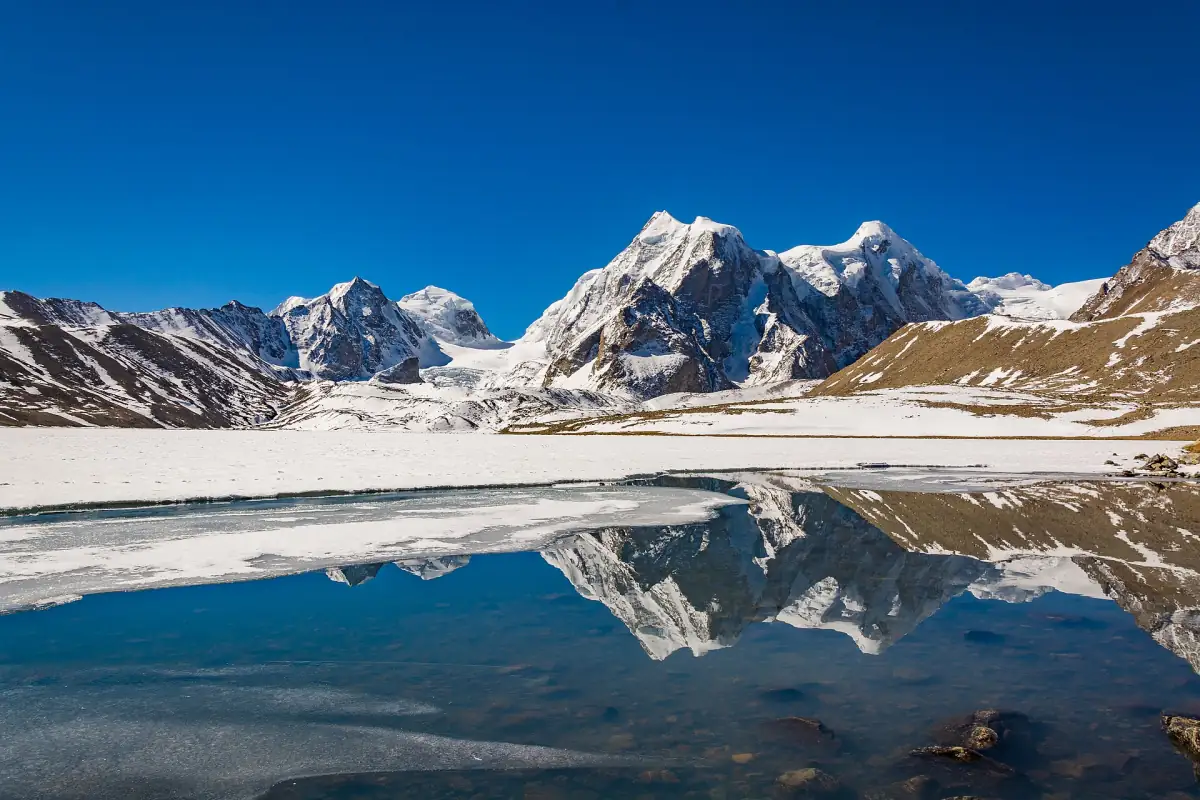
At about 17,000 ft, Gurudongmar is one of the highest lakes in India and sacred to both Buddhists and Sikhs. Part of the lake is said to stay unfrozen even in deep winter. You'll leave Lachen before dawn and spend only a short time at the lake – the air holds much less oxygen than at sea level.
Yumthang Valley
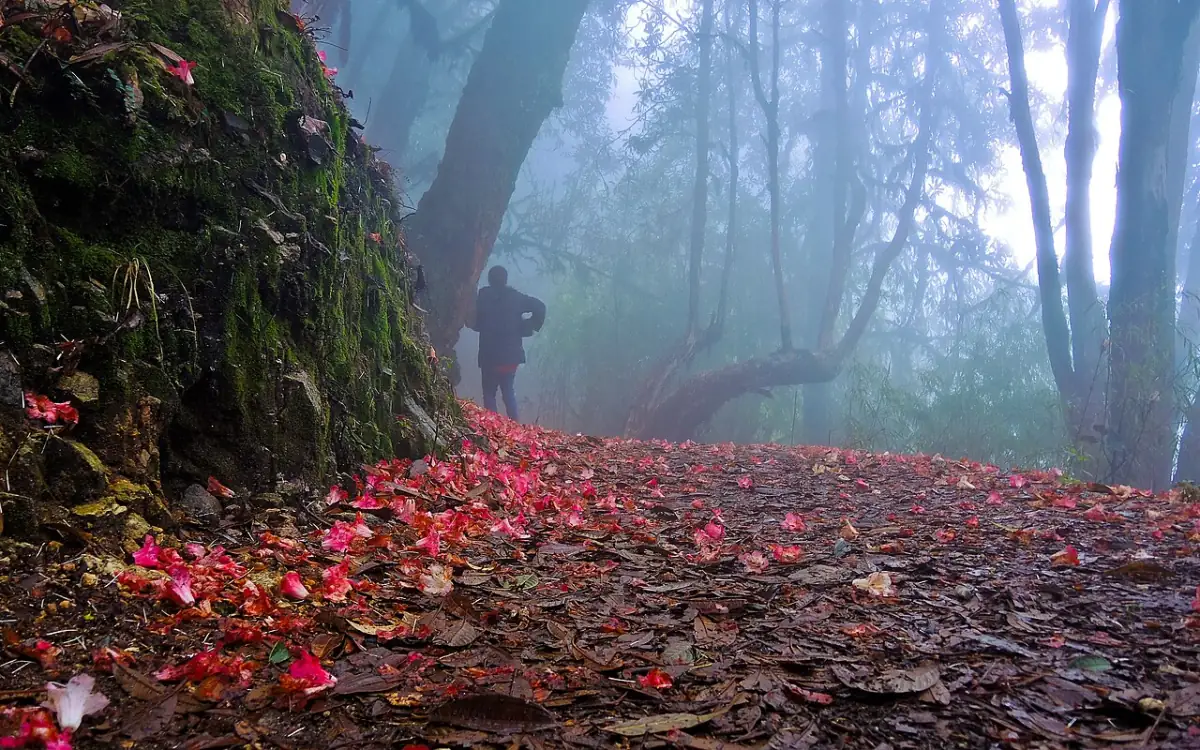
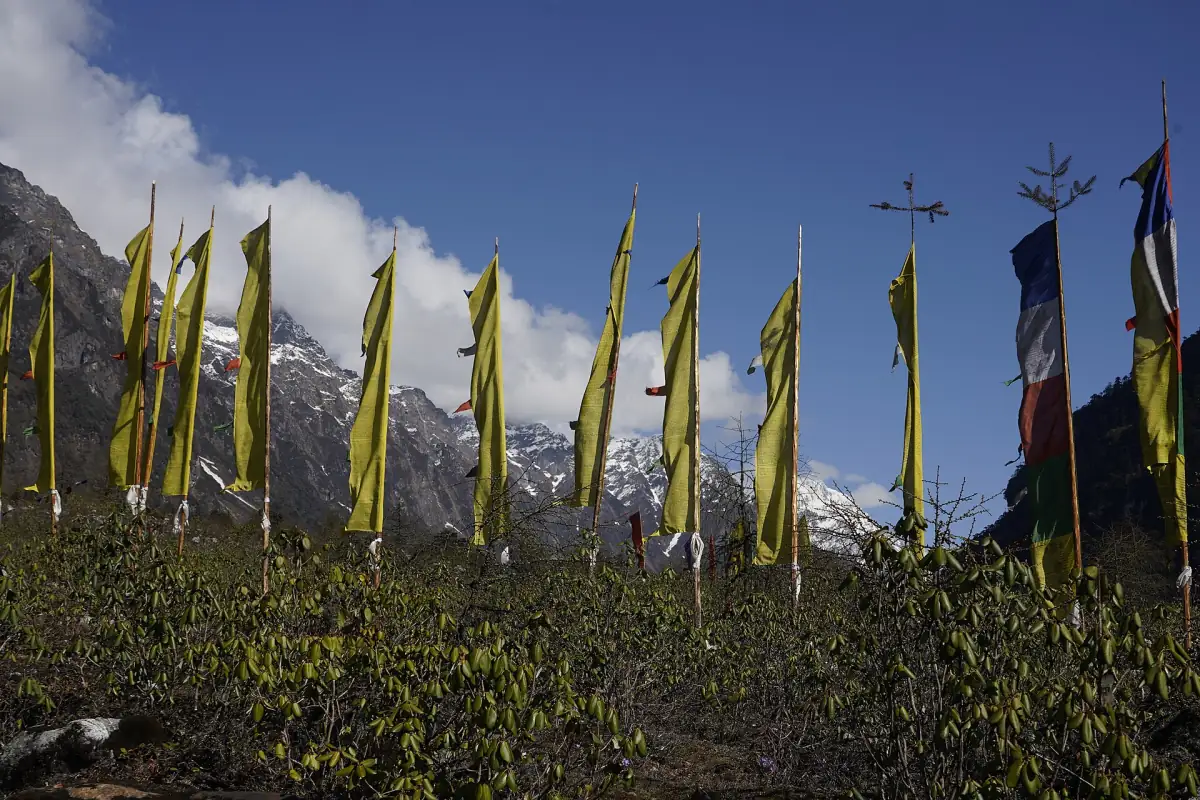
A wide, river-cut valley famous for rhododendrons from about late April to May, and for snow in winter. There are hot springs on the riverbank, and yaks graze on the slopes.
Zero Point (Yumesamdong)
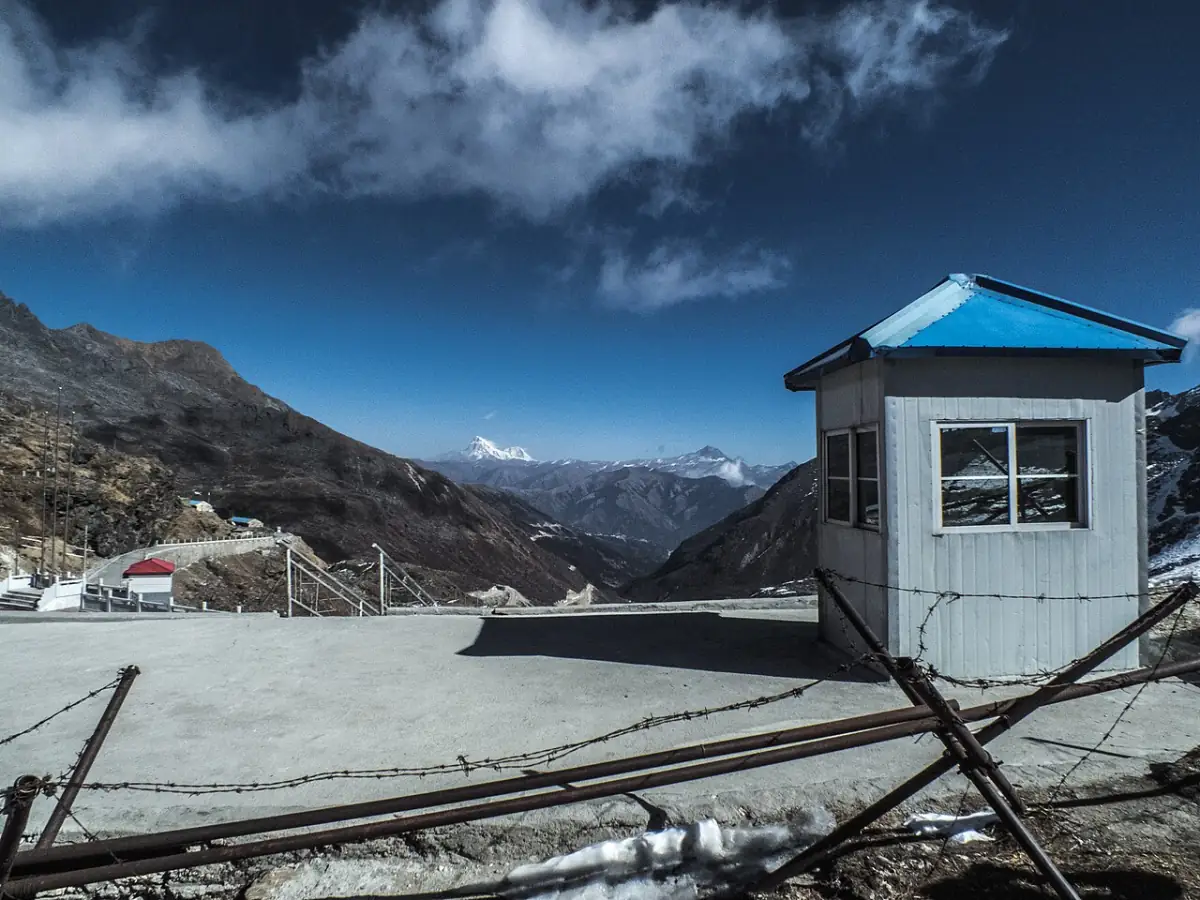
About 23 km beyond Yumthang, this is where the civilian road ends. It's snow-covered for much of the year. The excursion usually costs extra and depends on the road being open.
Lachen and Lachung
Both are small mountain villages with simple hotels and homestays. Lachung, in a deep valley lined with waterfalls, is the larger and busier of the two. Lachen is quieter and more remote.
On the way
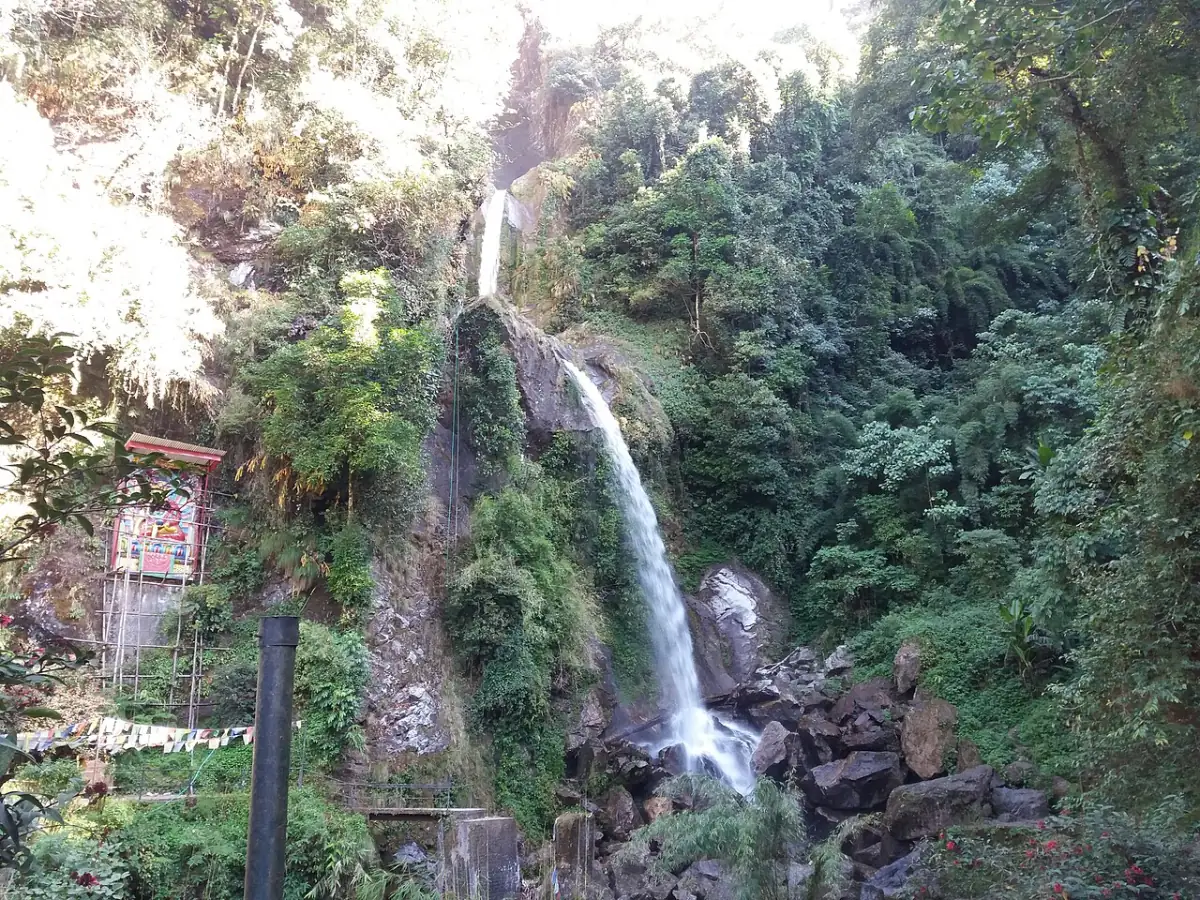
Don't rush the drive north. The Seven Sisters Waterfall, Naga Falls, the Singhik viewpoint (for Kanchenjunga on clear days) and the confluence at Chungthang are all worth a stop.
Permits and vehicles
Indian nationals need a permit for North Sikkim, applied for through a registered tour operator, with ID copies and photos for every traveller. The permit is tied to a Sikkim-registered tourist vehicle, so even if you arrive in a Siliguri taxi, you'll switch to a local vehicle in Gangtok for this part of the trip. Foreign nationals can usually visit Lachung and Yumthang with a Protected Area Permit, but Gurudongmar is generally off-limits. Full details are in our Sikkim permits guide.
Road conditions: read this before you book
The North Sikkim road runs through some of the most landslide-prone terrain in the Himalaya. In recent years, floods and landslides have damaged sections of the route, and tourist access – especially to the Lachen and Gurudongmar side – has been restricted or suspended for long periods. Conditions also change with the seasons: heavy snow can close the upper roads in winter, and monsoon rains bring frequent blockages.
Staying safe at altitude
Acute mountain sickness (AMS) can affect anyone, regardless of fitness. To reduce the risk:
- Acclimatise first. Spend at least one night in Gangtok, ideally after a Tsomgo Lake day trip.
- Sleep low, visit high. Sleep at Lachen before Gurudongmar, and limit your time at the lake.
- Drink plenty of water and avoid alcohol and smoking for the high days.
- Know the warning signs: a severe headache, nausea, dizziness, breathlessness at rest or confusion. Descend at once if symptoms are severe.
- Talk to a doctor first if you have heart or lung conditions, high blood pressure, are pregnant, or are travelling with very young children.
Best time to go
- April–June: flowers at Yumthang, snow still on the high passes, pleasant days.
- October–November: clear blue skies and sharp views; cold nights.
- December–March: dramatic snow scenery but frequent closures.
- July–September: monsoon, with the highest risk of landslides.
More detail in our month-by-month guide.
What to pack
- Warm layers: thermals, fleece, a down jacket, gloves and a cap – even in May.
- Sunglasses and high-SPF sunscreen (UV is intense at altitude).
- Comfortable shoes with good grip for icy patches.
- Snacks and a reusable water bottle – Sikkim restricts single-use plastic, and shops are few.
- Basic medicines, including anything your doctor suggests for altitude.
- Cash: ATMs are scarce beyond Mangan and mobile networks are patchy.
Where to stay in Lachen and Lachung
Accommodation in North Sikkim is simple compared with Gangtok. Expect small hotels and homestays with basic heating (often electric blankets or heaters), early dinners and hot water at set times. Lachung has more choice and some better-equipped properties; Lachen is more limited. Meals are usually included in North Sikkim stays because there are few restaurants. Ask for a room with a heater in winter and spring.
If North Sikkim is closed: alternatives
When Lachen or Lachung is inaccessible, these offer similar high-mountain experiences:
- Zuluk and the Old Silk Route – hairpin bends, high passes and Kanchenjunga sunrises (permit required).
- Tsomgo Lake and Nathula – the easiest high-altitude day from Gangtok.
- Pelling and Yuksom – big mountain views at comfortable altitude.
- Ravangla and Borong – quieter villages with valley and mountain views.
We'll suggest the best alternative for your dates if North Sikkim is restricted.
About this guide: written by the Sikkim Tour & Travel team in Siliguri, who plan road trips across Sikkim, Darjeeling and the Dooars. Permit rules, road access and fees change often – always confirm the latest position before you travel. Spotted something out of date? Tell us.