Permits & practical
15 Tips for the Best Sikkim Experience: A First-Timer's Guide
Sikkim travel tips for first-timers: altitude, permits, packing, cash and mobile networks, road timings, plastic rules, etiquette and local food.
By Sikkim Tour & Travel Team, SiliguriUpdated 5 min read
Quick answer
The best Sikkim trips are slow, flexible and planned around altitude. Start in Gangtok, do Tsomgo Lake before North Sikkim, keep a buffer day before your flight, carry ID and photos for permits, pack layers and cash, avoid single-use plastic, and start early every day – clouds and traffic build after midday.
Sikkim rewards travellers who plan a little and stay flexible. These are the tips we share with every guest before their trip.
Planning the trip
1. Don't overpack the itinerary
Hill roads are slow. A 120 km drive can take five hours, and landslides or traffic can add more. Two or three nights per base makes for a far more relaxed holiday than a new hotel every night.
2. Plan the route around altitude
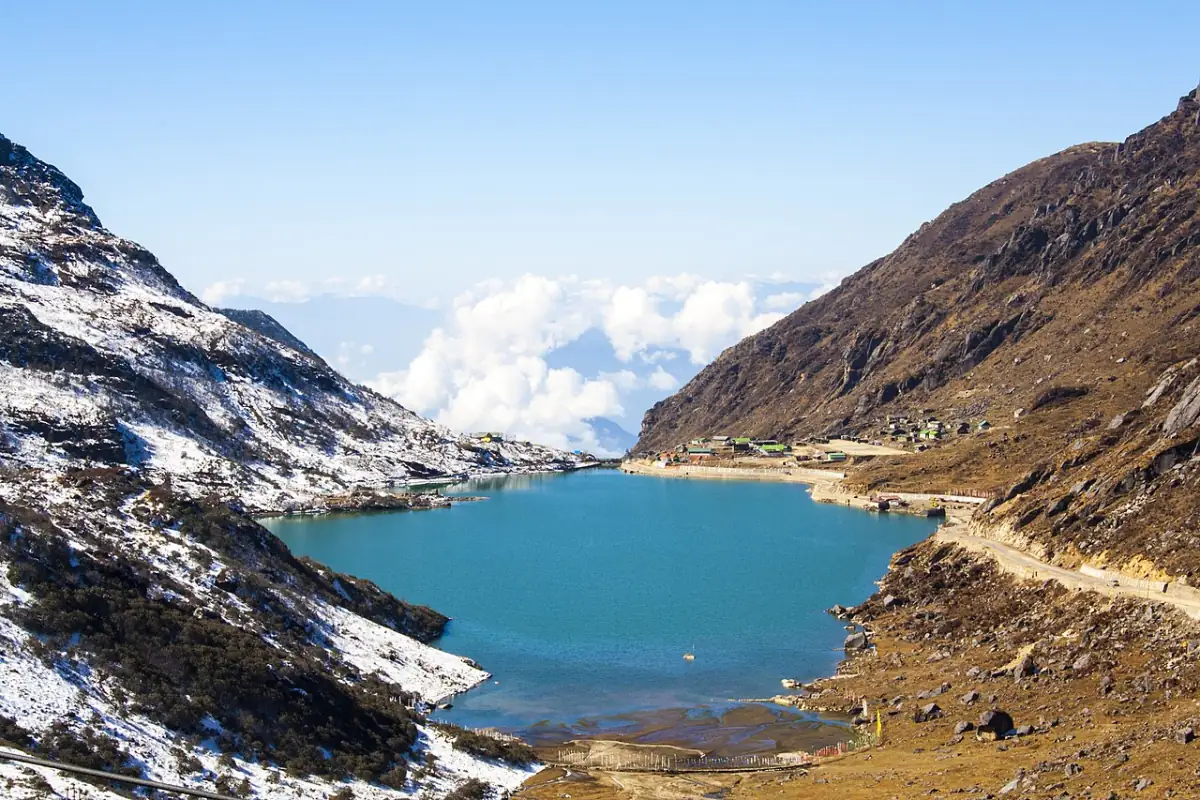
Spend your first night in Gangtok (about 1,650 m), make Tsomgo Lake your first high-altitude day, and visit North Sikkim only after that. Sleep at Lachen before Gurudongmar Lake. Our guide to the best order to visit Sikkim explains why.
3. Keep a buffer day before you fly
Landslides and snow can delay you by hours or even days. Don't come back from North Sikkim on the same day as an evening flight. End your trip in Gangtok, Darjeeling or Siliguri the night before.
4. Sort out permits early
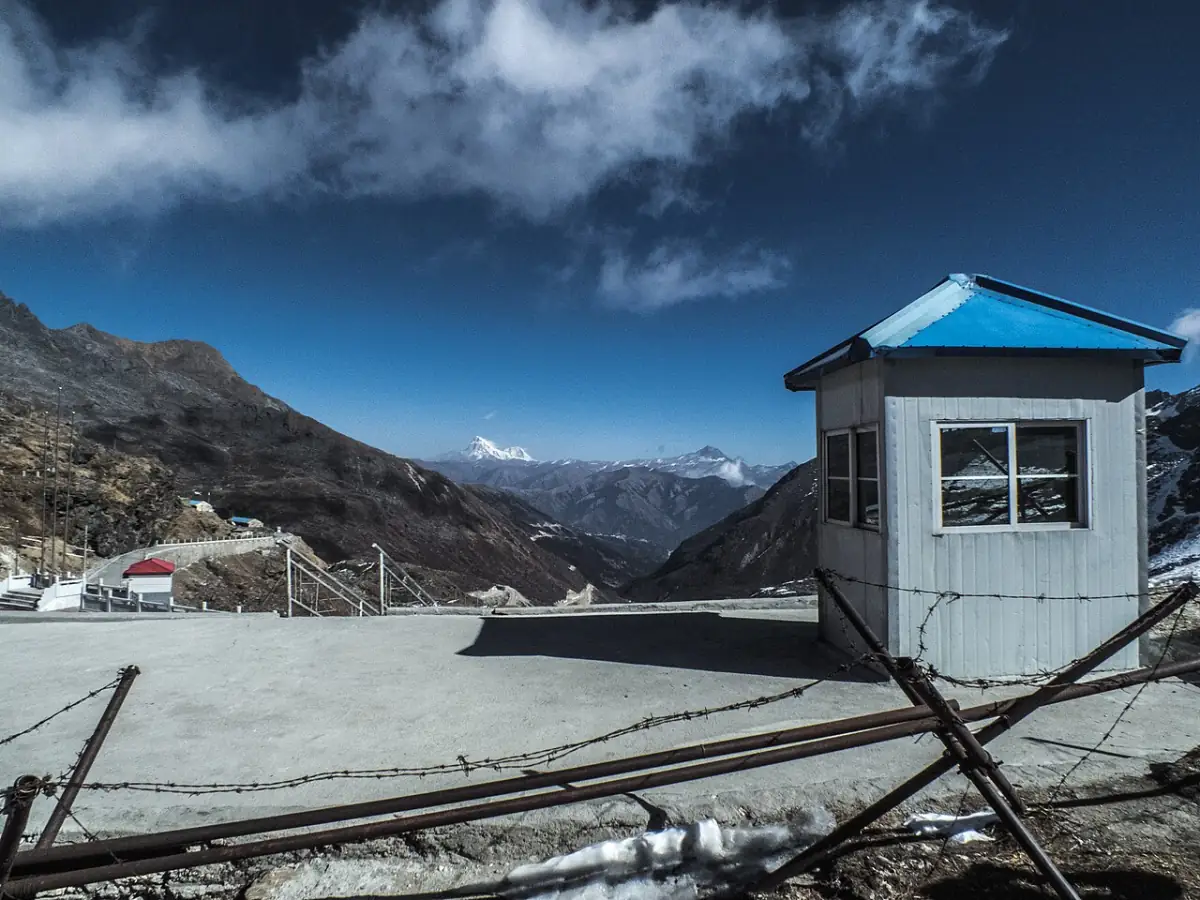
Tsomgo, Nathula, North Sikkim and Zuluk need permits; foreign nationals also need a Restricted Area Permit for Sikkim. Send ID scans and photos to your operator a few days ahead, and carry originals plus spare photos. Our permit guide has the details.
5. Choose your season with your priorities in mind
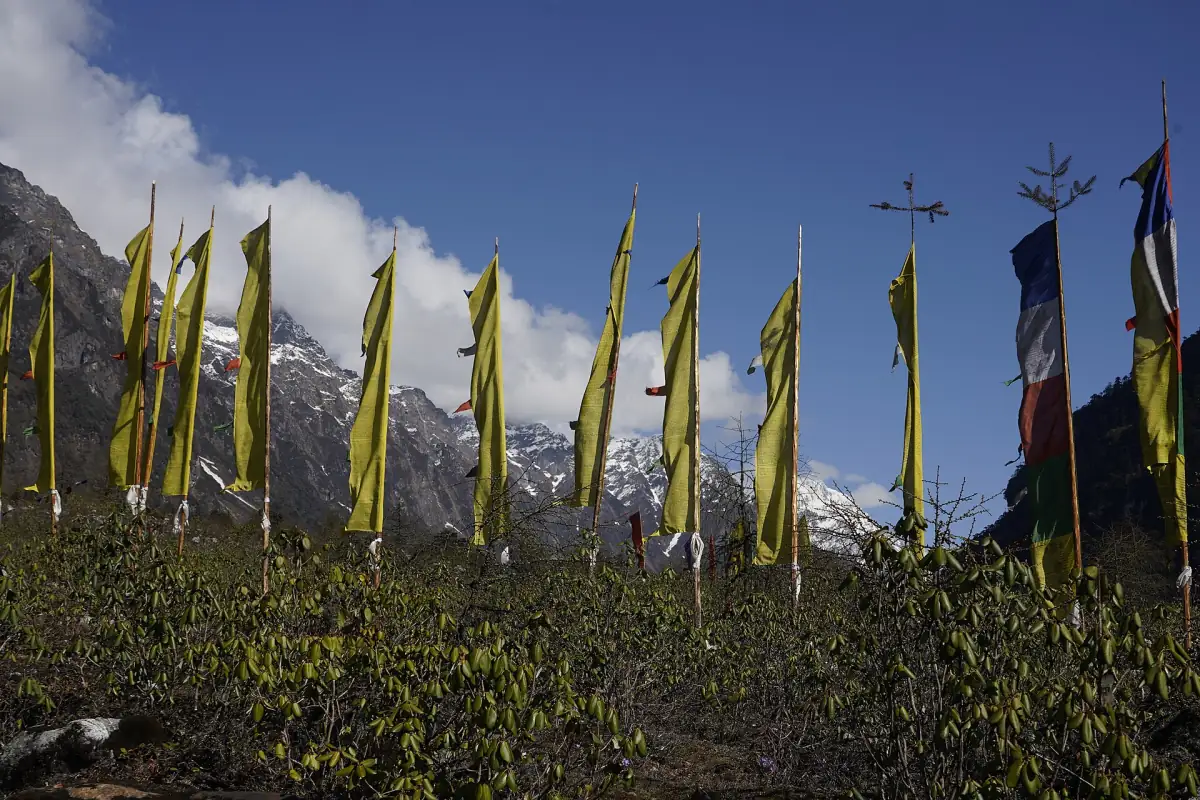
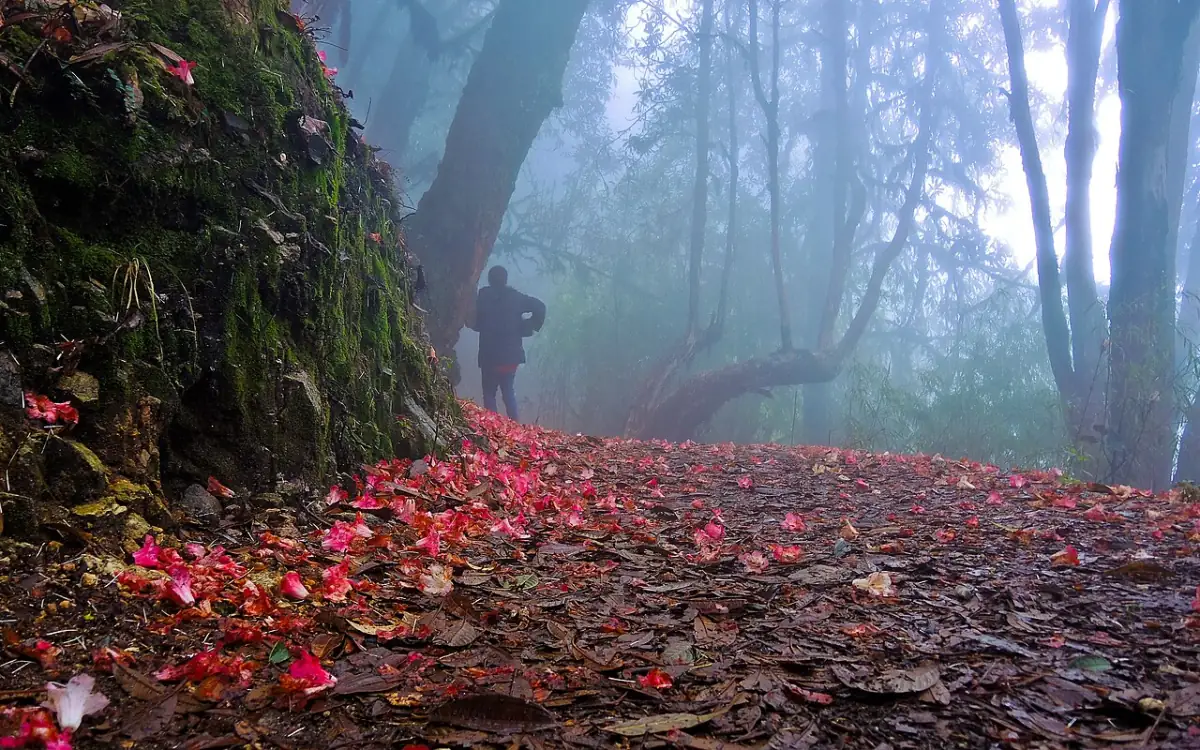
Clear mountain views: October–December. Flowers: April–May. Snow: January–March. Monsoon travel is possible but needs flexibility. See the best time to visit Sikkim.
On the road
6. Start early every day
Mountain views are clearest just after sunrise, roads are emptier, and you arrive before dark. Afternoon clouds and fog are common, especially in spring and the monsoon.
7. Expect motion sickness – and prepare for it
Winding roads affect many people. Eat light before long drives, sit in the front if you can, keep a window open and carry any tablets your doctor recommends.
8. Respect the altitude
Drink plenty of water, avoid alcohol on high-altitude days, don't exert yourself at Nathula or Gurudongmar, and tell your driver at once if anyone feels unwell. Travellers with heart or lung conditions should consult a doctor before going above 3,000 m.
9. Trust your driver's judgement
Hill drivers know when a road is unsafe, when to stop for the night and which route is open. If they suggest changing the plan because of weather or a landslide, it's for your safety.
Money, phones and practicalities
10. Carry enough cash
ATMs are plentiful in Gangtok and Siliguri but scarce in North Sikkim and small villages. Digital payments work in towns but can fail when the network drops. Keep cash for homestays, snacks, entry fees and tips.
11. Expect patchy mobile coverage
Most networks work well in Gangtok, Pelling and Darjeeling, but coverage thins out in North Sikkim and on the Silk Route. Download offline maps and tell family you may be out of contact for a day or two. Foreign SIM cards and some prepaid connections may not work in border areas.
12. Pack in layers
Even in summer, Tsomgo, Nathula and Lachung can be cold. Pack thermals, a fleece, a warm jacket, gloves, a cap, sunglasses, sunscreen and comfortable shoes with good grip. Add a rain jacket from May to September.
Culture and responsible travel
13. Leave no plastic behind
Sikkim has some of India's strictest rules on single-use plastic and littering, including restrictions on packaged drinking-water bottles in many areas. Carry a reusable bottle and refill it at your hotel. Bring your waste back from lakes and passes.
14. Follow monastery etiquette
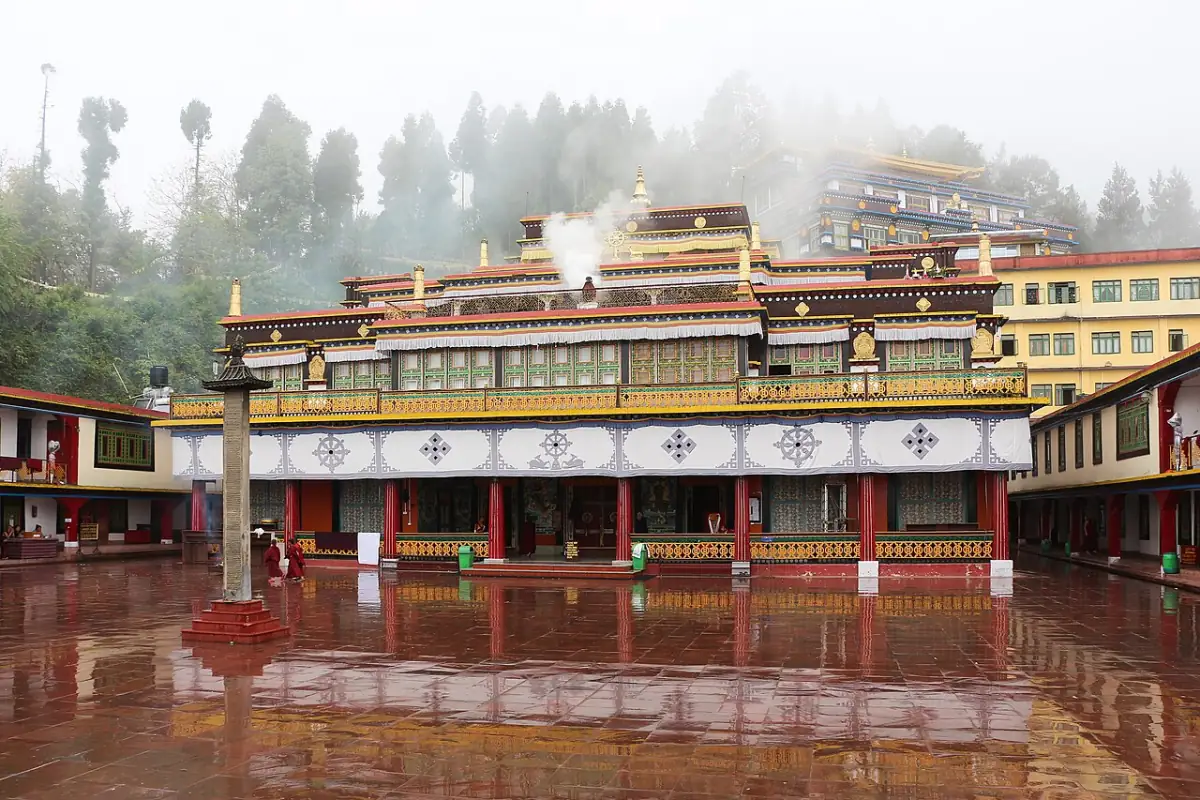
Walk clockwise around stupas, prayer wheels and monasteries. Dress modestly, remove shoes and hats where asked, and ask before photographing monks or the inside of prayer halls. Don't touch religious objects or sit with your feet pointing towards an altar.
15. Eat local
Try momos, thukpa, phagshapa, gundruk soup, sel roti and churpi (hard yak or cow cheese). Local tea from Temi is excellent. Homestays in villages like Lachung, Zuluk and Aritar often serve the best home-cooked food.
A quick pre-trip checklist
- Photo ID and spare passport photos for every traveller.
- Foreign nationals: passport, Indian visa and Sikkim RAP.
- Layers, rain gear (seasonal), sunglasses and sunscreen.
- Reusable water bottle.
- Cash in small notes.
- Basic medicines, including for motion sickness and altitude.
- A copy of your itinerary and your operator's phone number.
Bonus tips for families and senior travellers
- Choose moderate-altitude bases – Gangtok, Pelling, Ravangla and Darjeeling are comfortable for most people.
- Break long drives with tea stops every hour or two.
- Book hotels with lifts or ground-floor rooms if anyone has trouble with stairs – many hill hotels are built down the slope.
- Carry prescriptions and regular medicines; pharmacies are scarce outside towns.
Photography tips
- The best light on Kanchenjunga is in the first hour after sunrise.
- A polarising filter helps cut haze in spring.
- Drones need permission in Sikkim, especially near borders and military areas – don't fly one without the necessary approvals.
- Photography is restricted near army installations and at Nathula; follow posted signs and instructions.
Travel insurance
Consider insurance that covers trip cancellation and medical evacuation, and check that it covers travel above 3,000–4,000 m if you're heading to Nathula or North Sikkim. Roads close and plans change in the mountains, so cover for missed connections is worth having.
About this guide: written by the Sikkim Tour & Travel team in Siliguri, who plan road trips across Sikkim, Darjeeling and the Dooars. Permit rules, road access and fees change often – always confirm the latest position before you travel. Spotted something out of date? Tell us.